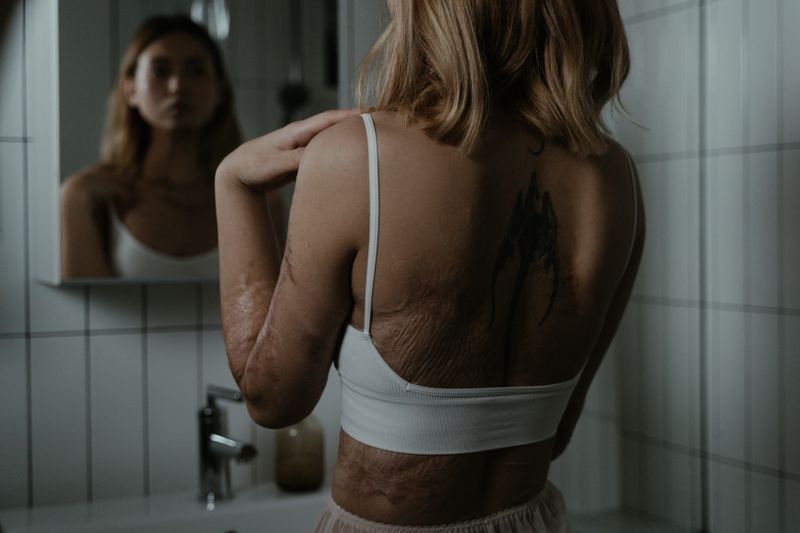
Understanding the silent impact of trauma, why it doesn't always look like a single event, and how recovery begins with compassionate support.
Recovery isn't about forgetting the past—it's about building a future where it no longer defines you.
Sometimes the hardest wounds are the ones no one can see.
Safe Space
Click on the cards below to select the physical or emotional responses that feel familiar to your daily experience. This is a private, unrecorded self-assessment tool.
When people hear the word trauma, they often think of war, serious accidents, or natural disasters. But trauma can also develop from experiences that happen quietly over time.
It may come from growing up in a home where you never felt emotionally safe, living through an unhealthy relationship, losing someone unexpectedly, or coping with bullying, burnout, or discrimination. Many people spend years minimizing these experiences by saying, "It wasn't that bad."
The truth is, trauma isn't measured by what happened—it's measured by how those experiences continue to affect your life.
Growing up in a household where your emotional needs were dismissed or where you felt constantly unsafe.
Living through unhealthy, manipulative, or emotionally abusive relationships over time.
Years of chronic stress, workplace bullying, or severe emotional depletion from professional overload.
Facing scary medical diagnoses, unexpected chronic illnesses, or painful clinical operations.
Trauma doesn't just affect your memories—it can influence how you think, feel, behave, and relate to the world around you. Even if it happened years ago, its effects can continue to impact your daily life.
You may experience persistent anxiety, sadness, irritability, emotional numbness, guilt, shame, fear, or mood swings that seem difficult to explain.
Trauma can contribute to chronic fatigue, headaches, muscle tension, digestive issues, sleep disturbances, and a heightened stress response.
You may struggle to trust others, avoid emotional intimacy, fear abandonment, withdraw from loved ones, or find yourself caught in unhealthy patterns.
Concentration, memory, motivation, and decision-making may become more difficult, making it challenging to stay productive or meet daily responsibilities.
Many people living with unresolved trauma develop low self-esteem, excessive self-criticism, perfectionism, or the belief that they are somehow "not good enough."
Simple tasks may feel overwhelming. You may avoid certain places or situations, lose interest in activities you once enjoyed, or feel like you are in survival mode.
"You've survived the experience—but you shouldn't have to keep surviving the symptoms."Understanding Trauma Recovery
Not everyone who experiences trauma develops Post-Traumatic Stress Disorder (PTSD), but for many people, the effects of trauma don't simply disappear with time.
You may notice that certain places, sounds, or memories trigger intense physical reactions. PTSD can develop after military combat, childhood adversity, domestic violence, or other overwhelming life experiences.
Living with PTSD doesn't mean you're weak—it means your nervous system is still responding to experiences that were overwhelming.
Healing isn't about erasing the past—it's about building a future where your past experiences no longer dictate your present reactions.
Trauma and PTSD can make it feel like you're stuck in survival mode, but you don't have to navigate recovery alone. Take the first step today.
Thank you. Our admissions panel is review-verifying your insurance details. A licensed coordinator will text or call you at your confidential number within 15 minutes.
Call Duty Coordinator NowCommon questions about trauma recovery, therapy options, and insurance coverage.